Dubai's F&B market is one of the most exciting — and unforgiving — in the world. After building 8 brands from scratch, here's what we wish someone had told us on day one.

April 16, 2026
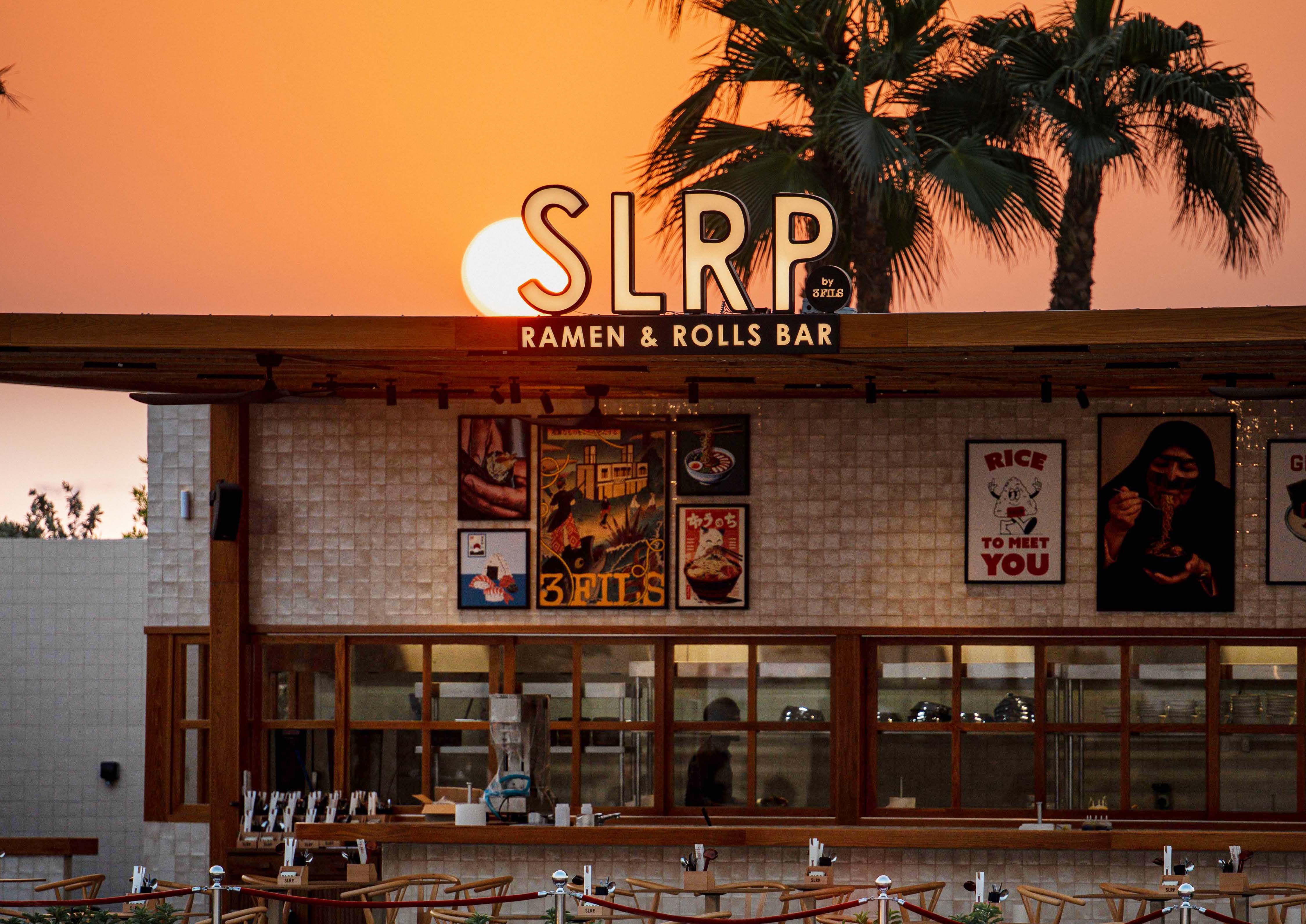
Dubai has over 13,000 restaurants. The majority won't make it past year two.
We've opened 8 brands across this city — from a waterfront fish shack to a Japanese street food counter to a full-service Italian concept. Some worked faster than we expected. Others taught us expensive lessons. None of them followed the plan we started with.
This isn't a checklist from someone who read about Dubai's F&B market. It's what we learned by doing it, repeatedly, and what we wish someone had told us before we signed our first lease.
Every feasibility study we've ever seen underestimates the real cost of opening in Dubai. Not by a little — by a lot.
The obvious costs are straightforward enough: trade license, fit-out, kitchen equipment, initial inventory. But it's the second layer that catches people. Municipality fees. Civil defense certification. Food safety inspections. Signage permits. The deposit on your tenancy contract. The three months of rent you'll pay before you serve a single dish.
Here's what we've seen across our brands: the gap between a lean street-food concept like 3 Fils and a full-service venue like Brix isn't just about the menu. It's about the fit-out, the staffing model, the equipment spec, and the location premium. The range is wider than most people expect.
Our advice: whatever number you've budgeted, add 20%. Not because you're bad at planning — because Dubai's regulatory and fit-out landscape has costs that only reveal themselves once you're committed.
We've built in busy malls, waterfront spots, and neighborhoods that made investors nervous. The counterintuitive lesson? Foot traffic numbers lie.
A high-traffic corridor means nothing if your concept doesn't match the crowd walking past. A quieter spot with the right audience can outperform a prime location at half the rent.
The real decision isn't "high traffic or low traffic." It's "destination or convenience?" A destination concept — something people seek out — can thrive in a tucked-away location because people are coming specifically for you. A convenience concept needs visibility and flow.
We've had both work. The mistake we see most often is founders picking a location because it feels safe, not because it fits the concept. The location should serve the brand, not the other way around.
Here's a test we use: if you can't explain your concept in one sentence, it's not ready.
Kanji is Japanese street food done right. Konbini is a Japanese convenience counter. SLRP is fresh pasta, no fuss. Each one is instantly understood. That clarity isn't a limitation — it's the reason they work.
The most dangerous phrase in F&B is "something for everyone." It sounds inclusive, but it means you haven't made a decision about who you're for. And when you're for everyone, you're memorable to no one.
We've also learned that a big opening night means almost nothing. The real test is month three. The excitement fades, the influencer posts disappear, and you're left with your concept, your food, and whether people come back. Concept clarity is what drives repeat visits — it gives people a reason to return and a story to tell their friends.
Here's a realistic timeline from signed lease to first service: 4 to 8 months. Yes, that wide.
The licensing sequence alone has multiple dependencies: DED trade license first, then municipality approvals, then civil defense inspection, then food safety certification. Each stage has its own inspection, its own paperwork, and its own processing time. DTCM registration adds another layer if you're in a tourism-adjacent area.
Then there's fit-out. Every contractor in Dubai will give you an optimistic timeline. Add at least 30% to whatever they promise — we've learned this across every single build.
And then there's timing. Launching in June means you're burning cash through the quietest months. Launching right before Ramadan means a disrupted first month. The ideal window — if one exists — is September through November, when the city fills back up and the weather cools. We didn't always get this right. Now we plan for it.
This is the one that catches even experienced operators off guard.
Visa processing in the UAE takes time — often 4 to 8 weeks from offer letter to the person being legally able to work. That means if you're hiring during fit-out (which you should be), you need to start the process months before opening. Training happens in parallel with construction. It's messy, but waiting until the space is ready means you're weeks behind on day one.
Then there's the summer attrition cycle. Staff turnover peaks during the hottest months, exactly when it's hardest to find replacements. Supply chains strain under the heat too — logistics slow, ingredient quality fluctuates, and your walk-in fridges work overtime.
We've learned to over-hire slightly for summer and build in cross-training so no single departure cripples a shift. It's not glamorous, but it's the operational reality of running restaurants in a desert city.
The biggest lesson from building 8 brands in Dubai isn't about licensing or locations or budgets. It's this: survival isn't about the launch. It's about month six.
Month six is when the opening buzz has faded, the reviews have settled, and your business is running on its fundamentals. The brands that make it are the ones built with staying power — sharp concepts, disciplined operations, and the patience to let something grow instead of chasing the next shiny idea.

Expermenting further
© 2025 The Lab. All Rights Reserved.
Built By
Urban Pixel